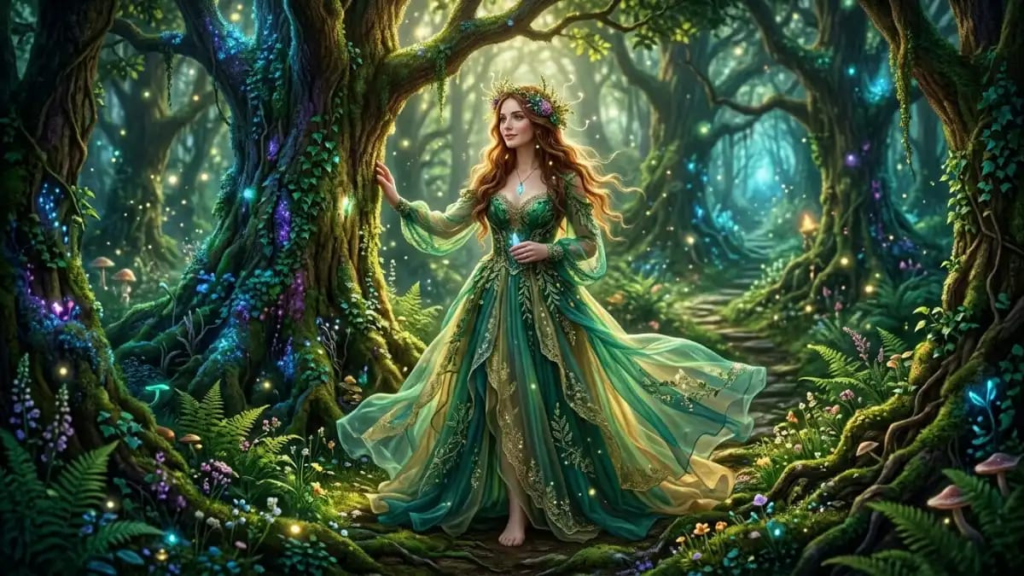

Fantasy girl names are easy. Choosing one that actually fits your character’s world, personality, and story is harder. The most useful approach is to decide what kind of character you are naming, then match the name to her origin, tone, and the feeling you want readers to associate with her.
These fantasy girl names are organized by style rather than a single alphabetical list, so you can compare options before you commit to one. Whether you are writing a novel, building a tabletop character, designing a video game heroine, or simply exploring ideas for fun, this guide is built to help you choose with confidence.
By the end of this article, you will understand how role, origin, and tone shape a strong fantasy girl name, and you will have forty ready-to-use options sorted into clear categories.
How to Narrow Down Fantasy Girl Names
Direct answer
Fantasy girl names start with three decisions: the character’s role, the tone of your world, and whether you want the name to sound familiar or completely invented. Those three factors narrow dozens of options into choices that actually fit your story.
Fantasy girl names that sounds beautiful on its own can still feel wrong for a character if it clashes with her role. A fierce warrior rarely suits a soft, floral name, and a gentle healer rarely suits a harsh, blade-like one. The best fantasy girl names are the ones that match the character’s function in the story, not just the sound.
It also helps to consider how the name will be spoken aloud in dialogue. A name that looks striking on the page but is awkward to pronounce can slow readers down every time it appears. Testing a shortlist of options out loud, in a full sentence, is a simple way to catch this before you commit.
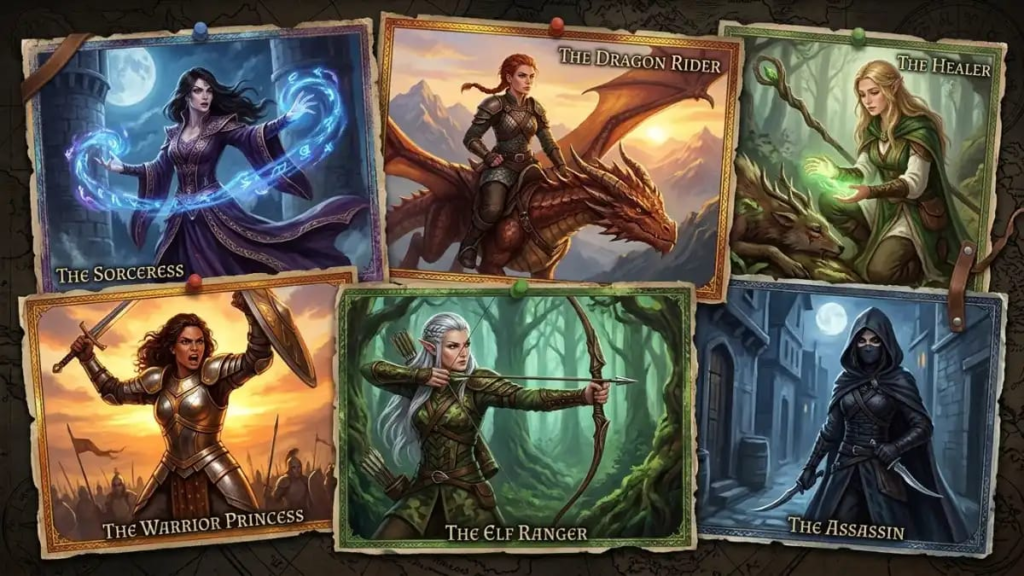
Elegant and Royal Names
These fantasy girl names work well for queens, princesses, and noble characters. Focus on flowing sounds and a sense of formality that signals status without needing extra description.
1. Isolde
Carries an old, tragic-romance feel, often used for noble or star-crossed characters.
2. Seraphine
Suggests grace and celestial beauty, fitting for a queen or angelic figure.
3. Elowen
A softer, Cornish-inspired name meaning elm tree, suited to gentle royalty.
4. Anwen
Welsh in origin, meaning very fair, ideal for a beloved princess.
5. Cordelia
Classic and dignified, carrying literary weight from Shakespearean tradition.
6. Rosalind
Elegant and timeless, and works well for a wise or diplomatic ruler.
Royal fantasy girl names in this style tend to work best when they are paired with a formal title or house name, since the combination reinforces status even before the character speaks. A queen named simply Isolde reads differently than Queen Isolde of the Silver Court, and that extra weight can shape how readers perceive her from her very first appearance.
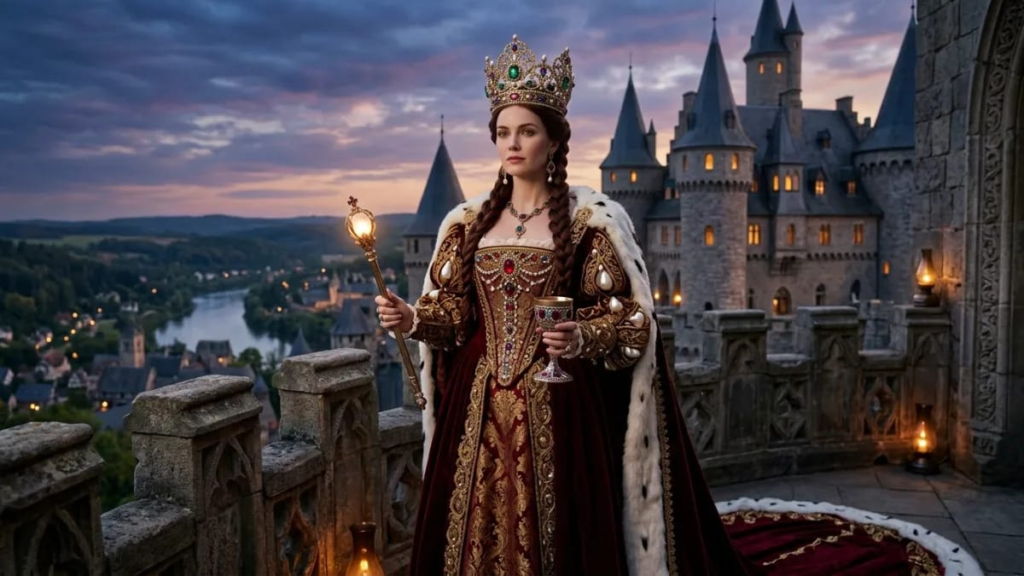
Warrior and Fierce Names
These fantasy girl names suit fighters, rebels, and strong-willed protagonists. Look for sharper, stronger sounds that feel capable of carrying a blade into battle.
7. Brynhild
Norse in origin, associated with shield-maidens and battle.
8. Freya
Linked to strength and beauty in Norse mythology, versatile for a warrior lead.
9. Kaida
Means little dragon, strong and modern-sounding.
10. Ravenna
Dark and commanding, fitting a warrior queen or antihero.
11. Sable
Short, sharp, and suited to a shadow-walker or assassin character.
12. Valka
Fierce and invented-sounding, working well in high-fantasy settings.
Warrior fantasy girl names in this style generally avoid soft vowel endings, favoring harder consonants instead. This small detail is part of why names like Brynhild or Ravenna feel instantly more battle-ready than something like Belinda, even though both are technically similar in structure.

Mystical and Magical Names
These names fit witches, seers, and characters tied to magic or prophecy. They tend to lean toward sounds that feel ancient, fluid, or slightly otherworldly.
13. Ondine
Means little wave, associated with water spirits and mystery.
14. Morrigan
Rooted in Irish myth, tied to fate and dark magic.
15. Thessaly
Named after a mystical Greek region and feels ancient and arcane.
16. Lyra
Star-linked and lyrical, fitting a seer or celestial-touched character.
17. Vesper
Means evening star, suited to a twilight or shadow-magic character.
18. Nyssa
Short and mysterious, working well for a quiet, powerful spellcaster.
Mystical names like these often benefit from a supporting title, like Seer or Oracle, since the name alone may not immediately signal magical ability to readers unfamiliar with its mythological roots.
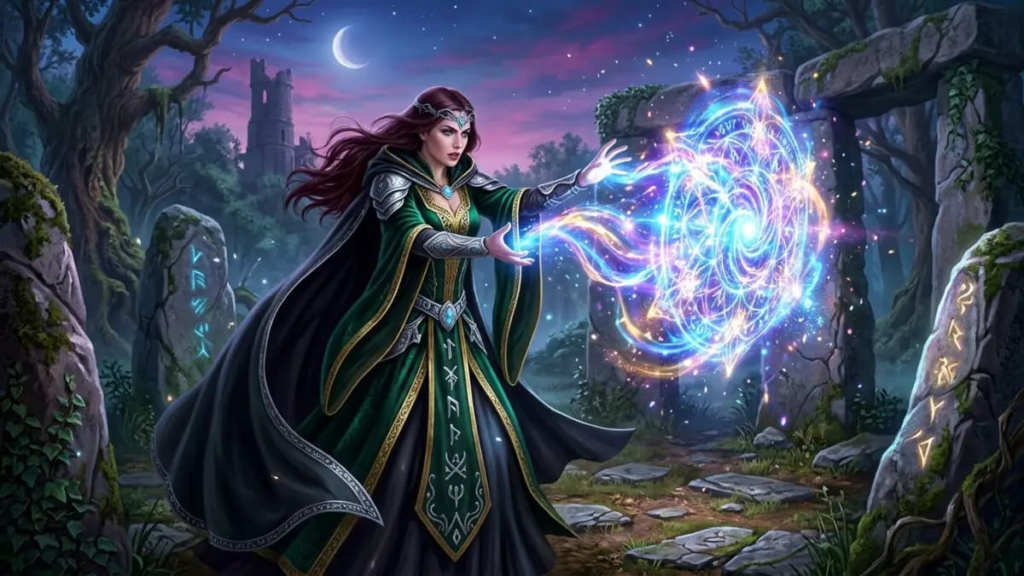
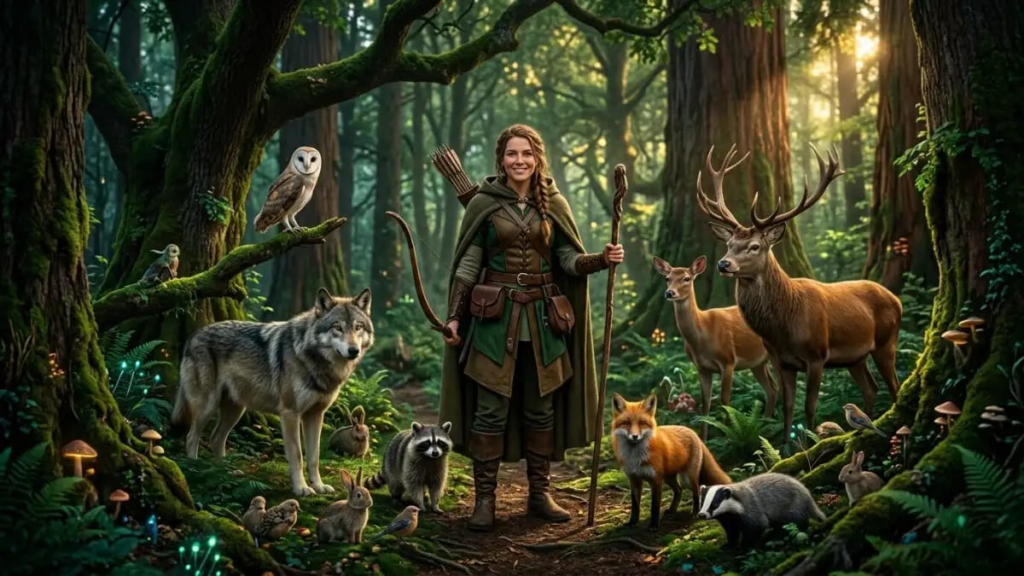
Nature and Woodland Names
These names suit forest dwellers, rangers, and characters tied closely to the natural world. They tend to sound grounded, simple, and organic.
19. Fern
Simple and earthy, fitting a grounded, nature-connected character.
20. Wren
Bird-inspired and light, suited to a quick, clever character.
21. Briar
Suggests thorns and wildness, good for a guarded or independent character.
22. Hazel
Warm and grounded, working well for a healer or herbalist.
23. Saoirse
Irish for freedom, fitting a character bound to nature’s independence.
24. Ivy
Suggests growth and resilience, popular for gentle forest characters.
Nature-themed names in this category often double as plant or animal references, which gives writers an easy way to tie a character’s personality directly to her name without extra explanation.
Whimsical and Fairy-Tale Names
These names suit lighter, fairy-tale-toned stories and whimsical side characters. They work especially well in cottagecore or storybook-style fantasy settings.
25. Marigold
Bright and cheerful, fitting a lighthearted fairy-tale heroine.
26. Tansy
Playful and floral, suited to a mischievous side character.
27. Wisteria
Soft and dreamy, working well for a gentle, magical setting.
28. Poppy
Short, sweet, and energetic, common in whimsical fantasy.
29. Clover
Simple and lucky-sounding, fitting a small-village or cottagecore setting.
30. Sunniva
Norse-inspired, meaning sun gift, suited to a bright, hopeful character.
Whimsical names like these are usually the most forgiving category, since the genre already expects a playful tone, and even unusual or invented sounds tend to fit comfortably here.
![[ IMAGE 7 PLACEHOLDER ]
| Alt text: "Whimsical fairy tale cottage surrounded by flowers and butterflies"](https://namesworlds.com/wp-content/uploads/2026/09/image-223-1024x576.png)
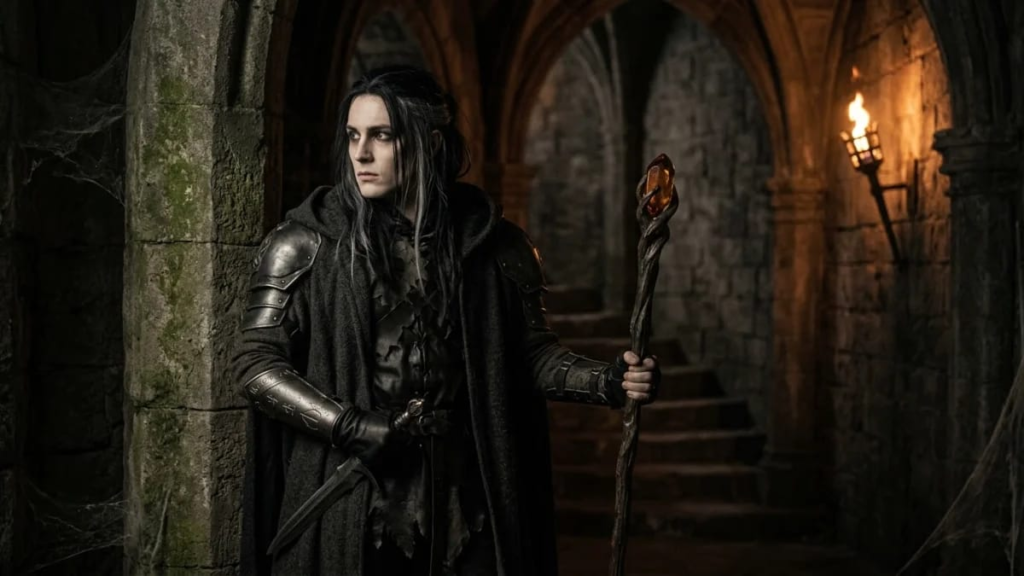
Dark and Gothic Names
These names fit antiheroes, villains, or characters from darker fantasy worlds. They generally favor heavier syllables and shadow-linked meanings.
31. Lilith
Carries strong dark-mythology roots, fitting a powerful antagonist.
32. Mortessa
Invented and blade-sharp, suited to a villain or death-touched character.
33. Nocturne
Musical and shadowy, working well for a night-bound character.
34. Vashti
Ancient-sounding and commanding, fitting a fallen queen archetype.
35. Scarlett
Bold and blood-toned, common for fierce or morally gray characters.
36. Selene
Moon-linked, fitting a cold or distant character with hidden depth.
Dark names in this category work best when the meaning behind the name is subtly referenced in the story, since a well-placed reveal can add real weight to a character’s introduction later on.
Invented and Original Names
For worlds that need names with no real-world roots, these combine familiar sounds in new ways while still feeling pronounceable.
37. Aeliana
Blends elegance with an invented, otherworldly sound.
38. Kyriel
Sharp and unusual, fitting a high-fantasy setting well.
39. Zorienne
Bold and modern-invented, suited to sci-fantasy crossovers.
40. Thalindra
Long and lyrical, fitting an elf or ancient-race character.
Invented names like these carry the most creative freedom, but they also carry the highest risk of feeling clunky if overloaded with consonant clusters. Reading an invented name aloud several times is the simplest way to test whether it holds up in dialogue.
Names by Fictional Race
Different fictional races often carry their own naming conventions, and matching a name to a race can make a fantasy world feel more consistent. Elves tend to favor long, flowing names with soft vowels, such as Thalindra or Elowen. Dwarves typically favor shorter, harder-sounding names with strong consonants. Fae characters often work well with nature-linked or whimsical names, such as Wisteria or Briar, since their lore is closely tied to the natural world.
Dragon-kin or shapeshifter characters frequently pair well with sharper, more commanding names like Ravenna or Vashti, since these names carry a sense of power that matches their nature. Matching race to naming style is optional, but it adds a layer of internal consistency that attentive readers tend to notice and appreciate.
Common Mistakes When Choosing a Name
One common mistake is choosing a name purely for its look on the page without considering how often it will appear in dialogue tags and narration. A beautiful but difficult name can become a distraction if it is used hundreds of times across a long story.
Another mistake is giving too many characters names that sound alike, which can confuse readers, especially in fantasy stories with large casts. Spacing out character names by starting letter, syllable count, and sound can help each character stay distinct in a reader’s memory.
A third mistake is ignoring pronunciation entirely. An invented name is only effective if readers can form a mental sound for it; otherwise, it risks being skimmed over rather than remembered.
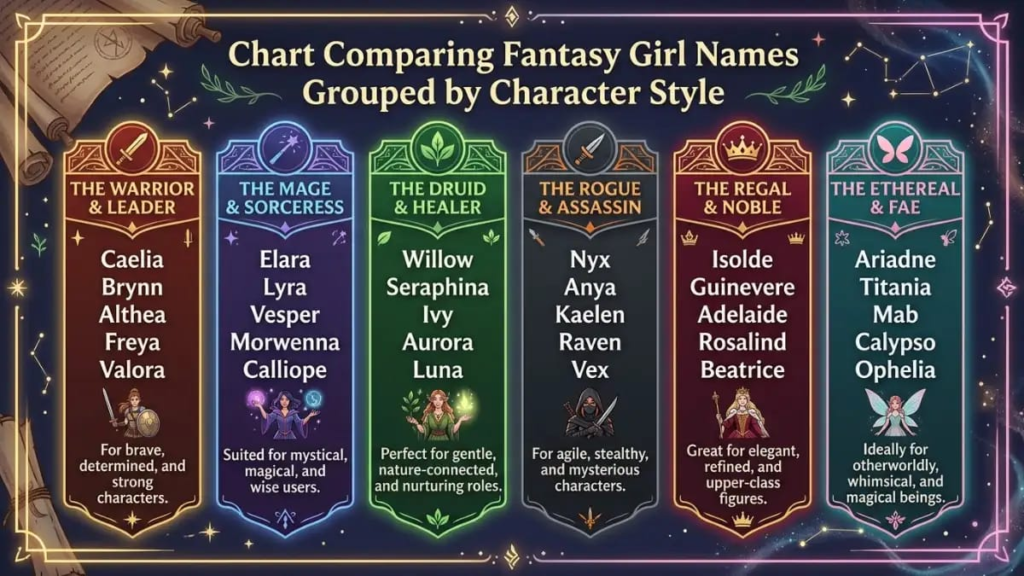
Quick Reference Table of Fantasy Girl Names
The table below groups the full list by category, making it easy to scan for the right tone without rereading every description.
| Category | Example Names |
| Elegant / Royal | Isolde, Seraphine, Cordelia |
| Warrior | Brynhild, Freya, Ravenna |
| Mystical | Morrigan, Lyra, Vesper |
| Nature | Fern, Briar, Saoirse |
| Whimsical | Marigold, Poppy, Sunniva |
| Dark / Gothic | Lilith, Nocturne, Scarlett |
| Invented | Aeliana, Kyriel, Thalindra |
How Character Role Should Guide the Name
A name should reflect what the character does, not just how she looks. A diplomat benefits from a name that sounds composed and formal, while a rogue benefits from something quick and sharp. Matching sound to function makes a fantasy girl name feel earned rather than decorative.
Origin also matters. Norse-rooted names naturally suit colder, harsher settings, while names with soft vowels fit warmer, gentler worlds. Mixing origins across a single cast can work, but mismatched tone within one character’s own name can feel inconsistent to careful readers.
It is also worth considering how a name will look next to other character names already in your story. A cast full of similarly styled fantasy girl names can feel monotonous, while a thoughtfully varied cast tends to feel richer and more memorable.
Tips for Creating Your Own Fantasy Girl Name
If none of the forty options above feel exactly right, building a custom name is straightforward. Start with a real-world name from a language or mythology that matches your desired tone, then alter a syllable or ending to make it feel slightly unfamiliar.
Combining two short, real words, such as a nature word and a soft ending, is another reliable method used across many published fantasy names. Keeping the result to two or three syllables generally keeps it easy to read and remember.
Finally, say the finished name aloud in a full sentence of dialogue before finalizing it. If it flows naturally, it will likely hold up across an entire story.
Adapting Names Across Different Fantasy Genres
High fantasy, set in fully invented worlds, generally allows the most freedom, since readers arrive without strong real-world expectations attached to any particular sound. Low fantasy, set closer to our own world with a touch of magic layered in, usually benefits from names that still feel grounded and plausible, even when they carry a slightly unusual twist.
Young adult fantasy tends to favor shorter, punchier options that are easy to remember across a series, while epic sagas can support longer, more elaborate choices for side characters. Romantic fantasy often leans toward softer, lyrical sounds, while grimdark fantasy tends to favor heavier, blunter syllables.
Matching a name’s length to the genre’s pacing keeps the reading experience smooth, since an overly elaborate name can slow down action scenes.

Final Thoughts on Fantasy Girl Names
The right fantasy girl name does more than sound nice; it tells readers who the character is before she says a word. Whether you need something regal, fierce, mystical, or whimsical, matching the name’s origin and tone to her role makes the choice feel intentional rather than random.
Keep this list handy any time you need a quick, reliable reference for naming your next fantasy character, and revisit it whenever a new character calls for a name that truly fits her story.
Frequently Asked Questions
What are good fantasy girl names for a warrior?
Brynhild, Freya, and Ravenna all carry strong, battle-ready tones suited to fierce characters.
What are elegant fantasy girl names for royalty?
Isolde, Seraphine, and Cordelia suit noble or queenly characters particularly well.
Are invented names okay to use in fantasy?
Yes, invented names like Aeliana or Kyriel work well when a world needs no real-world ties.
What makes a fantasy name feel mystical?
Soft, flowing sounds paired with mythological roots, like Morrigan or Ondine, create a mystical tone.
Can the same name suit more than one character type?
Yes, many fantasy girl names can shift meaning depending on title, backstory, and context.