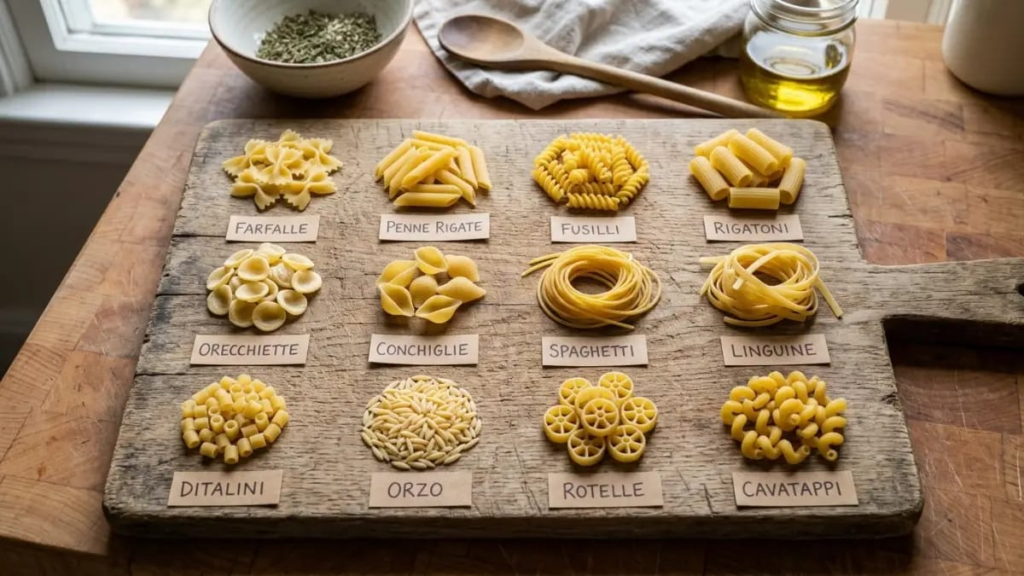

Most pasta names are not random. Italian is a famously visual language, and almost every pasta shape was named after something it physically resembles: a bow tie, a little worm, a quill, a butterfly. Once you know this, a plate of pasta turns into a small vocabulary lesson.
This guide organizes more than 100 shapes by name and family, so you can look up what you are actually cooking with instead of guessing from a box label. Each entry includes the literal Italian translation, since that is usually the fastest way to remember which shape is which.
A quick note on spelling: several of these shift slightly by region in Italy, and packaging in the United States sometimes uses a simplified version of the original word. Where that happens, the more common English packaging name is listed alongside the traditional one.
Why Italian Pasta Names Are So Literal
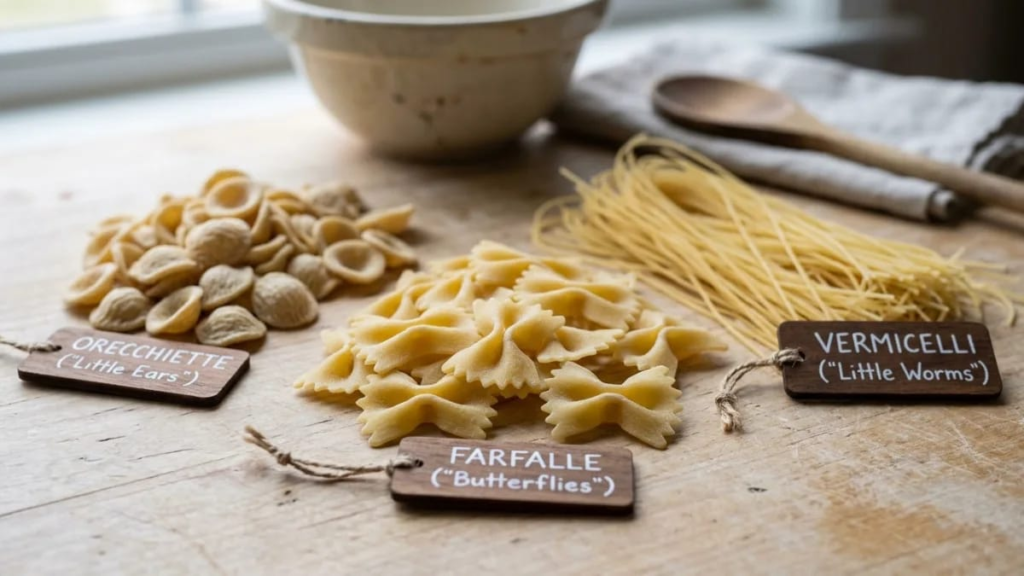
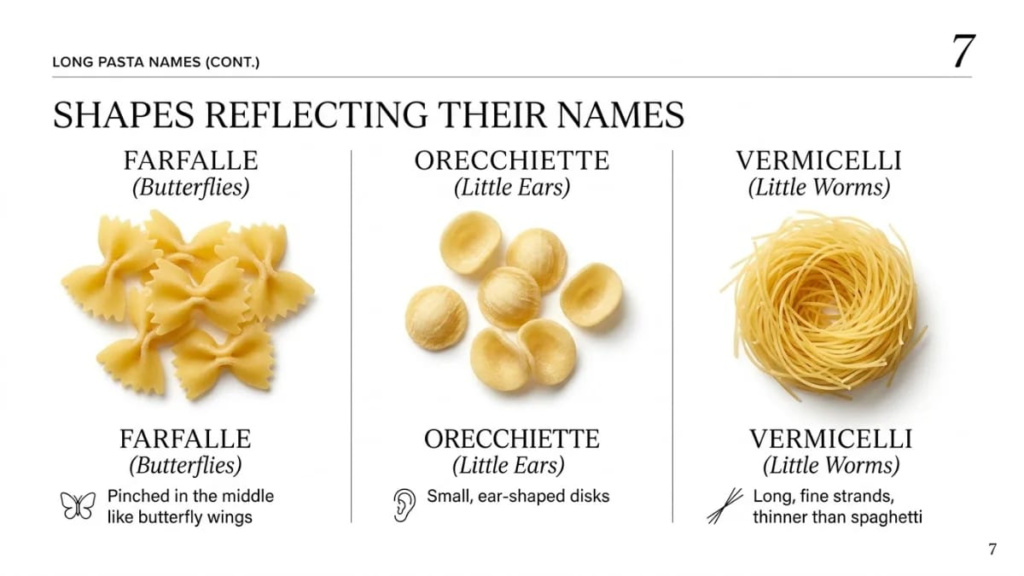
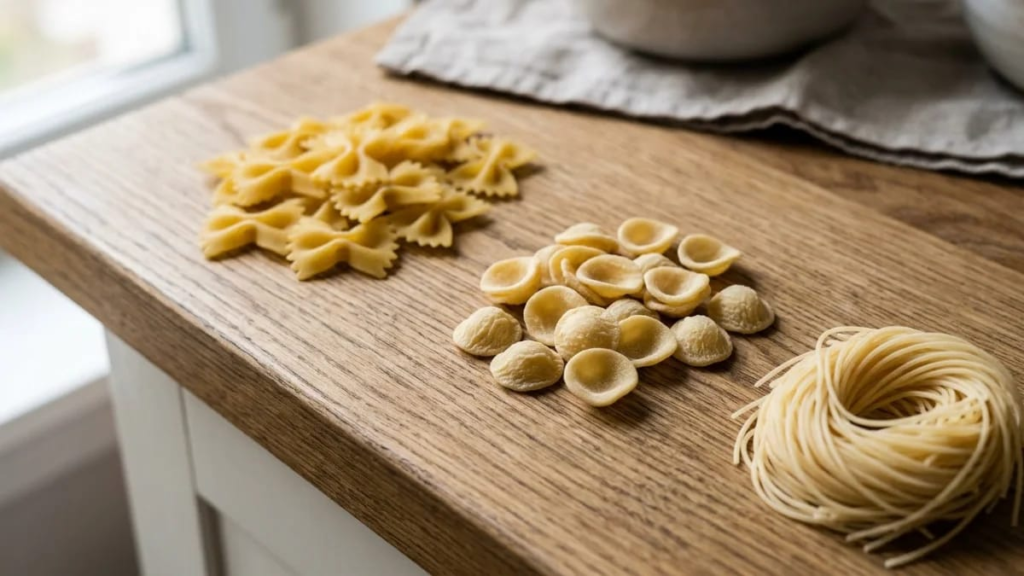
Italian names for pasta almost always describe shape, not flavor or region, which sets them apart from a lot of other food naming conventions. Farfalle simply means “butterflies.” Orecchiette means “little ears.” Vermicelli translates to “little worms,” which sounds unappetizing in English but makes perfect sense once you see the thin, squiggly strands.
This pattern exists because pasta shapes were originally named by the people making them by hand, long before packaging or marketing existed. A shape that looked like a shell got called a shell. A shape that looked like a ribbon got called a ribbon. The names were descriptive labels first, and only became “brand names” once dried pasta started being sold commercially.
Knowing this makes the whole category far easier to memorize than most food vocabulary, since you are not memorizing arbitrary words — you are matching a word to a picture already in your head.
Long Pasta Names
Long pasta shapes are usually paired with lighter, oil-based or thin tomato sauces, since there is more surface area for a thin coating to cling to along the strand.
- Spaghetti – thin strings
- Linguine – little tongues
- Fettuccine – little ribbons
- Bucatini – little holes (a hollow center runs through the strand)
- Capellini – fine hair, also sold as angel hair
- Tagliatelle – to cut (named for the cutting method used to shape it)
- Pappardelle – to gobble up (a nod to how wide and satisfying the noodle is)
- Vermicelli – little worms
This group is some of the oldest in the entire category, since flat and round strands were among the first shapes made by hand centuries ago, long before packaged or branded pasta existed.
Short Pasta Names
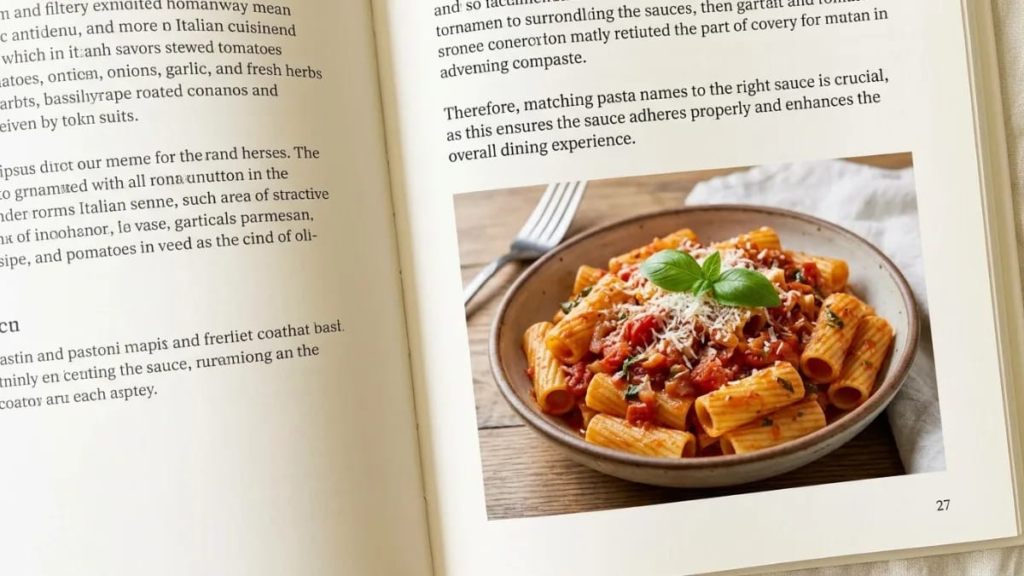
Short pasta shapes hold up well in heavier, chunkier sauces, since ridges and tube shapes trap sauce and small ingredients inside.
- Penne – quills or pens (the angled cut resembles an old writing quill)
- Rigatoni – large, ridged ones
- Fusilli – little spindles or spirals
- Rotini – small twists
- Macaroni – refined dough, an older term with unclear exact origin
- Ziti – bridegrooms, traditionally served at weddings in parts of southern Italy
- Cavatappi – corkscrews
- Gemelli – twins (formed from two strands twisted together)
Several entries in this category, like Ziti, carry a cultural story behind them rather than a purely physical description, which makes this category particularly fun to explain at the dinner table.
Stuffed Pasta Names
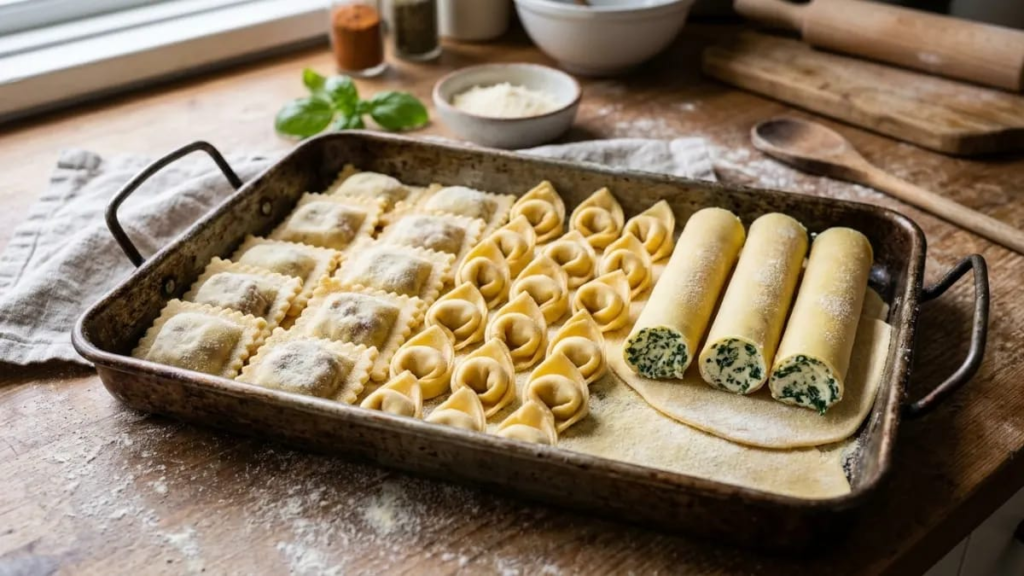
Stuffed shapes are typically filled with cheese, meat, or vegetables, and their names often describe the pocket-like shape that holds the filling.
- Ravioli – little turnips, an old term referring to the shape of the pocket
- Tortellini – little twists or little cakes
- Tortelloni – a larger version of tortellini
- Cannelloni – large reeds or tubes
- Manicotti – little sleeves
- Agnolotti – little lambs, a shape traditional to the Piedmont region
These stuffed shapes tend to be regional in origin, since fillings and folding techniques varied widely from one Italian town to the next.
Ribbon and Sheet Pasta Names
Flat, wide shapes fall into their own category, prized for holding thick, baked, or cream-based sauces along a broad surface.
- Lasagna – cooking pot, an old term referring to the dish it was originally baked in
- Pappardelle – already listed above, but worth repeating here for its width
- Mafaldine – named after Princess Mafalda of Savoy, with a ruffled edge on each side
- Tagliolini – a thinner cousin of tagliatelle
This group includes some of the only entries tied to a real historical figure rather than a shape or action, which sets it apart from almost everything else on the list.
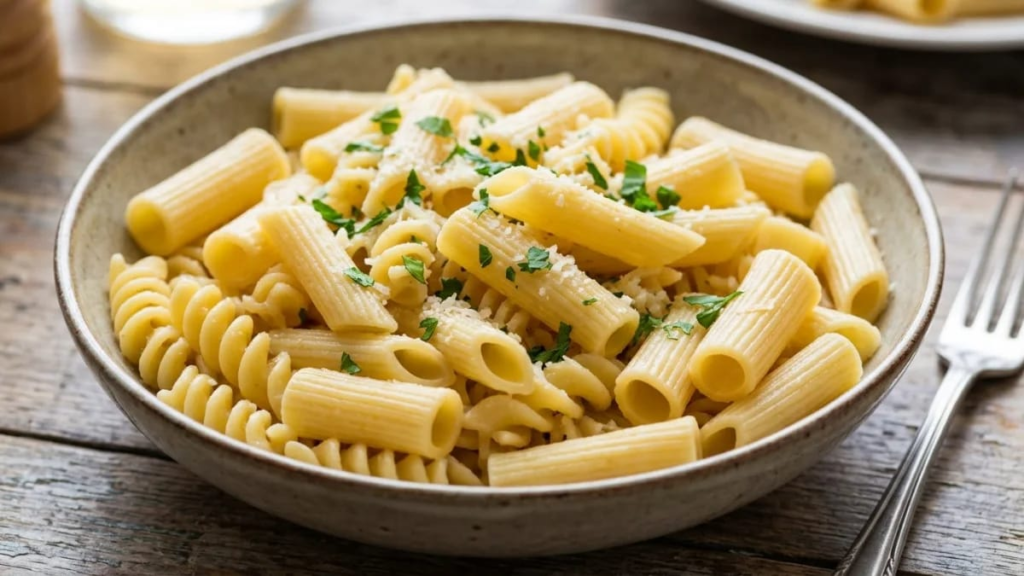
Soup Pasta Names
Small shapes designed for broth-based dishes make up their own family, since size and shape affect how well a pasta suspends in liquid.
- Orzo – barley, due to its grain-like shape
- Ditalini – little thimbles
- Acini di pepe – peppercorns
- Stelline – little stars
- Anelli – little rings
These soup shapes are almost always diminutives, meaning the Italian suffix used literally translates to “small” or “little,” which fits their function perfectly.
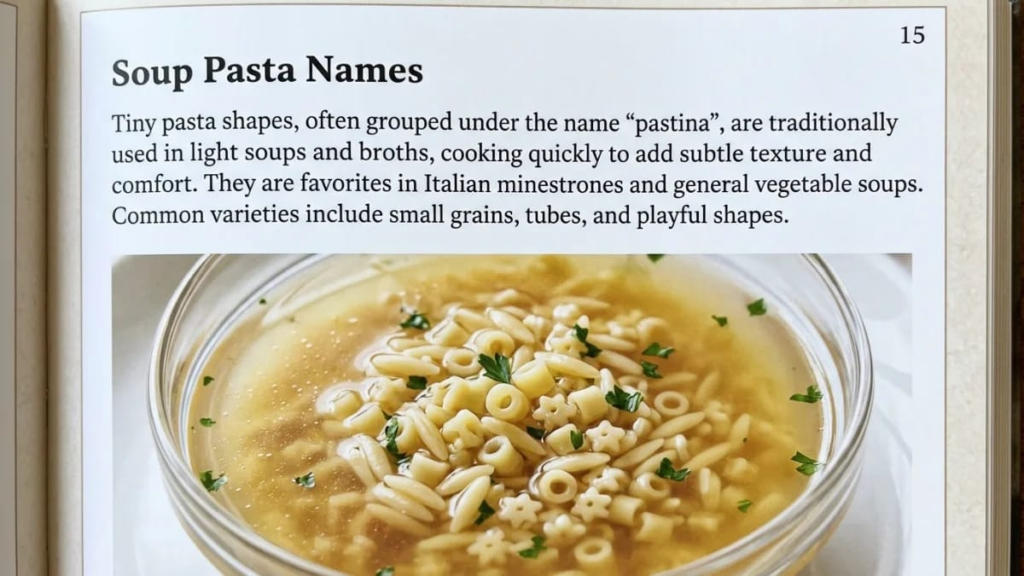
Shell and Curved Pasta Names
Curved shapes are built to cradle sauce or small pieces of protein inside their natural pocket.
- Conchiglie – shells
- Orecchiette – little ears
- Lumache – snails
- Gnocchi – technically a potato dumpling rather than a true pasta, but grouped here due to shape and cooking method
This is one of the more visually intuitive groups, since the resemblance to the real-world object is usually obvious at a glance.
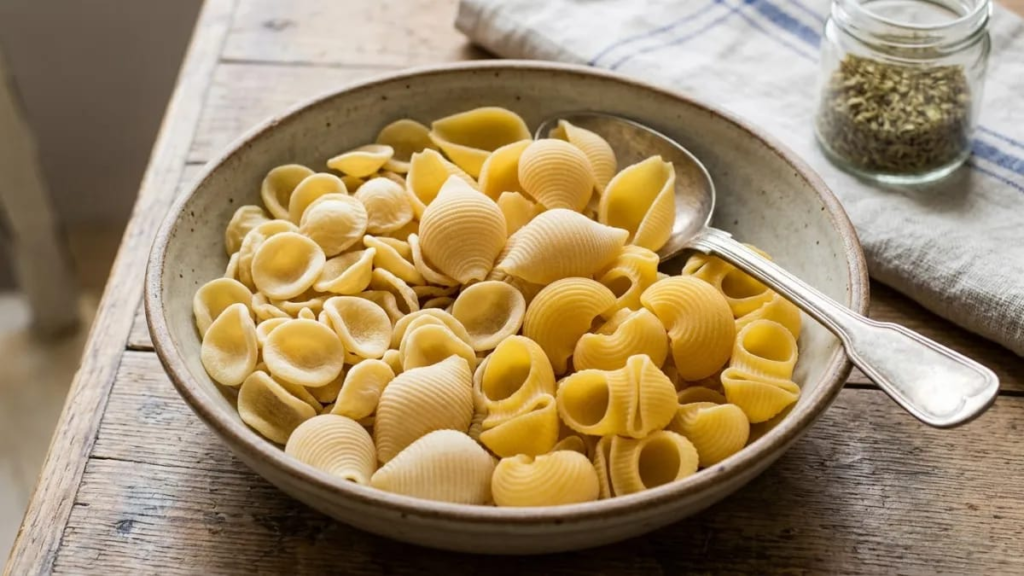
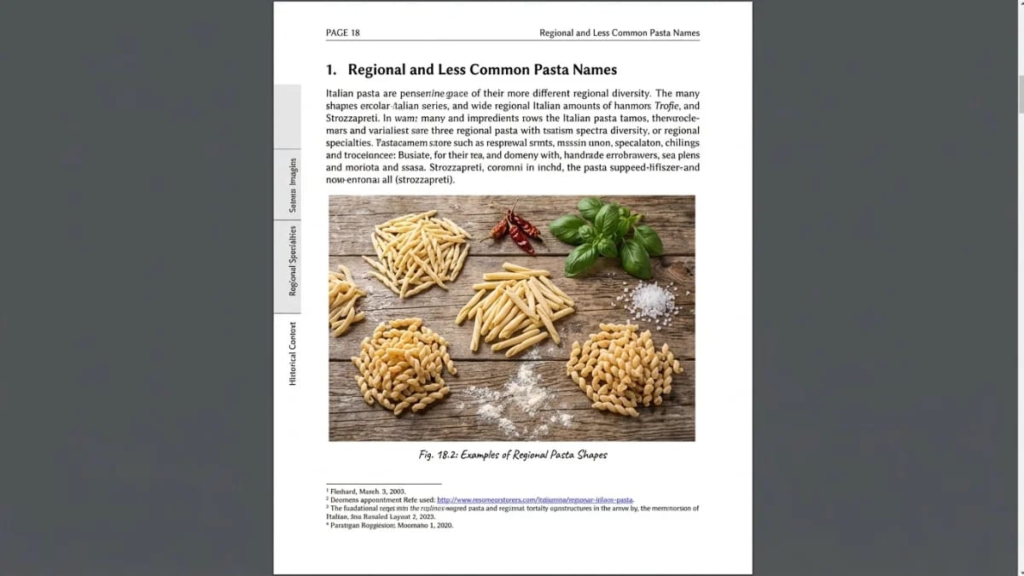
Regional and Less Common Pasta Names
Beyond supermarket staples, Italy has dozens of pasta names tied to specific towns or provinces, many of which never became widely exported.
- Trofie – a twisted, tapered shape from Liguria, traditionally served with pesto
- Strozzapreti – “priest stranglers,” a shape with a colorful and disputed origin story
- Orecchie di prete – “priest’s ears,” similar in idea to orecchiette but regionally distinct
- Corzetti – stamped, coin-shaped pasta from Liguria, often pressed with a decorative wooden tool
- Busiate – a corkscrew shape from Sicily, traditionally paired with pesto alla trapanese
Shapes like these rarely appear on supermarket shelves outside Italy, but they are worth knowing if you enjoy cooking or ordering from an authentic Italian menu.
What Pasta Names Can Tell You About the Dish
Once you recognize the pattern behind most shape names, you can often guess how a dish is meant to be served just from the shape’s name alone. A name referencing something small, like Stelline or Acini di pepe, almost always signals a soup pasta. A name referencing a tube or ridge, like Rigatoni or Cavatappi, usually signals a heartier, chunkier sauce.
This is genuinely useful at a restaurant or unfamiliar grocery aisle, since reading the literal translation will usually tell you more about how to cook it than the packaging photo does.
It is also a handy party trick. Very few people expect “vermicelli” to translate to “little worms,” and fewer still know that “Strazzeri” translates to something as dramatic as “priest stranglers.”
A Short History Behind Pasta Names
Dried pasta became widely available in Italy starting around the 1200s, though fresh hand-made versions existed centuries earlier. Naming conventions developed locally long before any standardization existed, which is exactly why so many pasta names today still carry the fingerprint of a specific region or dialect rather than a single national standard.
Trade and travel eventually spread certain shapes far beyond their home province, and the names came along with them, sometimes shifting slightly in spelling or pronunciation as they crossed from one dialect to another. That is part of why a handful of pasta names, like macaroni, have murky or disputed origins even among food historians.
By the time dried pasta was mass-produced and exported internationally in the 19th and 20th centuries, most of the shape names used today had already been settled for generations within Italy itself.
How to Choose a Pasta Shape for Your Recipe
With more than a hundred options to choose from, picking the right shape comes down to a few practical questions rather than personal preference alone.
- Think about the sauce first. Thin, oil-based sauces suit long strand shapes, while thick or chunky sauces suit short, ridged, or tube shapes that can hold small pieces of sauce inside.
- Consider the cooking method. Baked dishes usually call for tube or sheet shapes, like ziti or lasagna, while broth-based dishes call for small shapes like orzo or ditalini.
- Don’t be afraid to substitute. Most pasta names within the same family, such as penne and rigatoni, are close enough in function to swap without changing the dish significantly.
Common Mistakes When Shopping for Pasta
A few habits make it harder to pick the right pasta shape even when you already know the recipe.
- Assuming all “short pasta” behaves the same way. Smooth short shapes, like macaroni, hold sauce differently than ridged ones, like rigatoni, even though both fall into the same broad category.
- Ignoring the literal translation behind pasta names. This is a missed opportunity, since the meaning often hints directly at how the shape is meant to be used, as shown throughout this guide.
- Buying an unfamiliar regional shape without checking its typical pairing. A shape like trofie, for example, is specifically built for pesto and can behave oddly with a heavy meat sauce.
Pasta Names vs. Pasta Brand Names
It is worth separating traditional shape terms from modern branding. Some products on store shelves use invented or trademarked terms rather than a traditional Italian word, especially for newer novelty shapes designed for children or themed packaging.
These branded terms are not wrong, but they are a different category entirely from the historical vocabulary covered in this guide, and they will not appear on an Italian menu or in a traditional cookbook. When in doubt, the shape’s traditional term is usually printed in smaller text somewhere on the same package.
Final Thoughts
With more than 100 pasta names spread across seven shape families, there is a logic behind almost every noodle on the shelf once you know what to look for. Whether the goal is picking the right shape for a specific sauce or simply understanding what is printed on the box, the meaning behind each name usually tells you everything you need to know.
The next time you’re standing in the pasta aisle, try reading the name before looking at the picture. More often than not, the word itself will tell you exactly what you’re holding — and how it’s meant to be cooked.
Frequently Asked Questions
What do most pasta names actually mean?
Most describe the shape itself, like ribbons, tubes, or small objects.
Why do some pasta names sound unusual in English?
Literal Italian translations, like “little worms,” sound odd once translated directly.
Are pasta names the same across all of Italy?
No, many regional pasta names vary by province or town.
Is gnocchi considered a pasta name?
Technically it is a dumpling, but it is usually grouped with pasta shapes.
Do pasta names hint at how to cook the dish?
Yes, shape and size usually match a specific sauce or cooking method.
Can I substitute one pasta shape for another?
Yes, shapes within the same family usually swap without issue.
Why are so many pasta names diminutives?
Because many shapes were historically described as “little” versions of objects.
Is macaroni the same as elbow pasta?
Yes, macaroni is the broader term and elbow is one common shape within it.