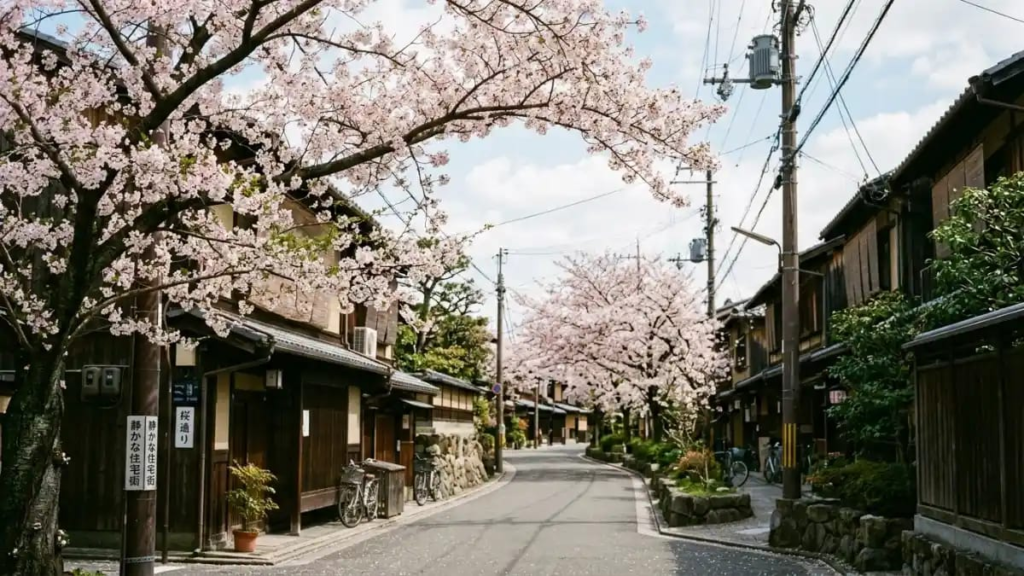

Japanese names are short, musical and full of meaning. Many come from nature, virtues or wishes parents hold for a child. This guide covers how Japanese names work, then gives boys, girls, unisex and nature-inspired picks with meanings, plus tips for writers and parents.
What Are Japanese Names?
Japanese names are the given names and family names used in Japan. Most are written in kanji (Chinese characters used in Japanese), and some in hiragana or katakana. The same sound can carry different meanings depending on the kanji chosen. That is why one name can have several meanings.
A name is built from sound plus writing. The sound is called the reading, and the characters are chosen for their meaning. A parent might pick the sound “Haru” and then select a kanji that expresses sun, spring or light.
How Japanese Names Are Structured
In Japan, the family Japanese names comes first and the given name second. A person called Sato Haruto is Haruto from the Sato family. In English texts, the order is often flipped, so check which order a source uses.
Most people have one given name and one family name. Middle names are not part of the traditional system.
Kanji, Hiragana and Romaji
- Kanji: carries the meaning, for example 花 for flower.
- Hiragana: the soft phonetic script, often used for girls’ names such as さくら.
- Katakana: used for foreign words and sometimes modern names.
- Romaji: the English letters used to write the sound, like Sakura.
When you read them in English, you usually see only romaji. The meaning listed beside a name is one common meaning, not the only one.
Honorifics You Will See
Japanese people attach suffixes to names. They are not part of the name itself.
- -san: polite and neutral, used for most adults.
- -kun: often used for boys and younger men.
- -chan: affectionate, often for children and close friends.
- -sama: very respectful.
A Short Look at Japanese Names History
Family Japanese names were once mostly a privilege of the nobility and warrior class. Most ordinary people were later required to take surnames in the late 1800s, during the Meiji period. That is one reason many surnames describe ordinary places: a rice field, a village, a bridge or a hill.
Given names also changed with the times. Endings like -ko for girls became very common in the twentieth century, while shorter, softer names have become more common in recent years. The pattern is useful for writers: a name can quietly tell readers which generation a character belongs to.
Why the Same Name Can Have Different Meanings
This is the part most name lists skip. Take the name Yuki. Written with one kanji it can relate to snow. With another it can relate to happiness. A third spelling might suggest courage. The sound stays the same, but the meaning changes.
So when a list says “Ren means lotus,” that usually describes one popular spelling. Always ask which kanji is being used before treating a meaning as fixed.
Modern Japan also has creative readings, sometimes called kira-kira names, where parents give an unusual reading to familiar characters. These can be hard even for native speakers to read, which is why many parents keep readings clear.
How to Pronounce These Japanese Names
Japanese names sounds are simpler than they look. Each syllable gets almost equal weight, so avoid stressing one part heavily.
- Vowels: a as in father, i as in machine, u as in flute, e as in bed, o as in more.
- The R sound: sits between an English R and L, made with a quick tap of the tongue. Ren and Rin use it.
- Long vowels: some names stretch a vowel, such as Yuuki or Ryouta. In English they are often written with a single vowel.
- Ai, ei, ou: each vowel is usually pronounced, so Aiko sounds like Ah-ee-ko.
A quick example: Haruto is Ha-ru-to, three even beats. Sakura is Sa-ku-ra. Say them slowly, then speed up.
Modern Naming Trends
Parents in Japan today often choose names that are easy to read and pleasant to say. Short, open sounds made of simple syllables are common, and nature words like sun, sky, water and flowers keep returning. Many parents also pick a name first for its sound, then look for kanji that express a wish, such as kindness, strength or brightness.
Another trend is gender softening. Some names once seen as male or female are now used more widely, and endings are less fixed than before. Because trends move quickly, a name that feels fresh this year can feel common in a decade. If you want something lasting, classic choices such as Akira, Aiko or Hana tend to age well.
Popular Japanese Names for Boys
Japanese names often point to strength, calm, the sun or the sea. Many end in -to, -ta, -ki or -ro. The meanings below are common ones, but the kanji choice can change them.
| Name | Common meaning |
| Haruto | Sun, soar or spring person |
| Ren | Lotus |
| Sota | Sky or bold, thick (varies) |
| Yuto | Gentle, abundant person |
| Riku | Land |
| Minato | Harbour |
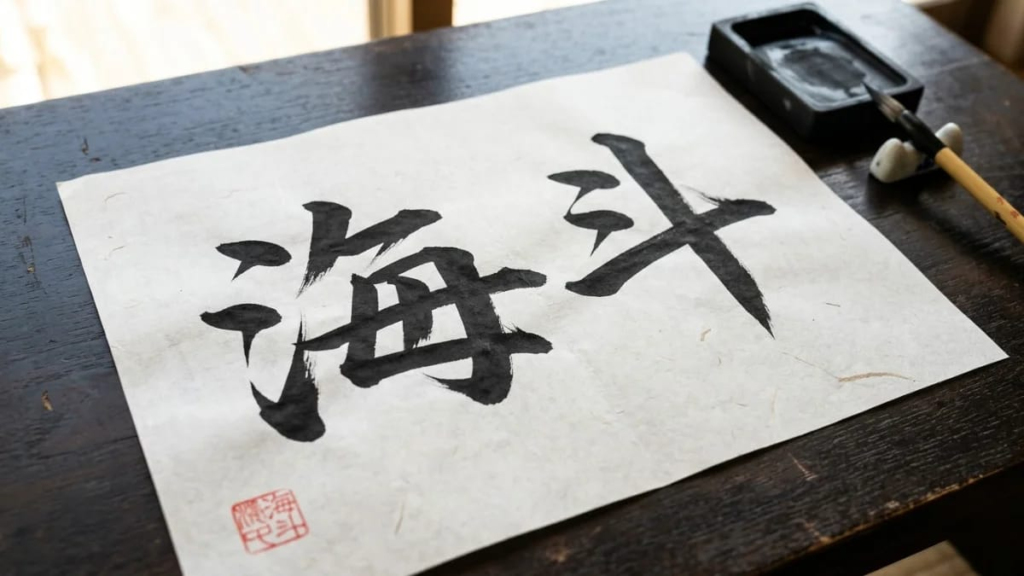
| Kaito | Ocean, soar (varies) |
| Takumi | Artisan, skilled worker |
| Daiki | Great radiance or great tree |
| Kenji | Wise second son (varies) |
| Akira | Bright, clear |
| Hiroshi | Generous, abundant |
| Takeshi | Warrior, fierce |
| Shin | Truth, faith (varies) |
| Kazuki | Harmony, hope (varies) |
Older names like Hiroshi, Takeshi and Kenji sound classic, while Haruto, Minato and Ren appear more often among newer generations. Rankings change every year, so check a current Japanese baby-name survey before calling any name “most popular.”
Popular Japanese Names for Girls
Girls’ names lean toward flowers, beauty, love and gentle sounds. Many end in -a, -i, -e, -ko or -mi.
| Name | Common meaning |
| Sakura | Cherry blossom |
| Hana | Flower |
| Yui | Bind, tie, or gentle (varies) |
| Aoi | Hollyhock, or blue-green (varies) |
| Himari | Sun, hope (varies) |
| Mio | Water channel, beautiful (varies) |
| Rin | Dignified, cold, bell (varies) |
| Akari | Light |
| Mei | Bud, sprout, or bright (varies) |
| Emi | Blessing and beauty (varies) |
| Aiko | Beloved child |
| Haruka | Distant, far |
| Kaede | Maple |
| Nanami | Seven seas (varies) |
| Yuna | Gentle greens (varies) |
The ending -ko means “child” and was very common in the twentieth century. Names like Yuko, Keiko and Michiko sound traditional today, while shorter names without -ko are more common for new babies.
Unisex Picks
Some names suit any gender. Gender is often decided by the kanji and by custom, but these are widely used for both.
- Haru: sun, spring or clear sky, depending on kanji
- Yuki: snow or happiness
- Sora: sky
- Hinata: sunny place
- Akira: bright and clear
- Ren: lotus
- Kaoru: fragrance
- Asahi: morning sun
- Nagisa: shore
- Rei: polite, or beautiful sound (varies)
Yuki, Sora and Hinata are good examples of how one sound, written with different kanji, can feel soft or strong.
Nature-Inspired Japanese Names
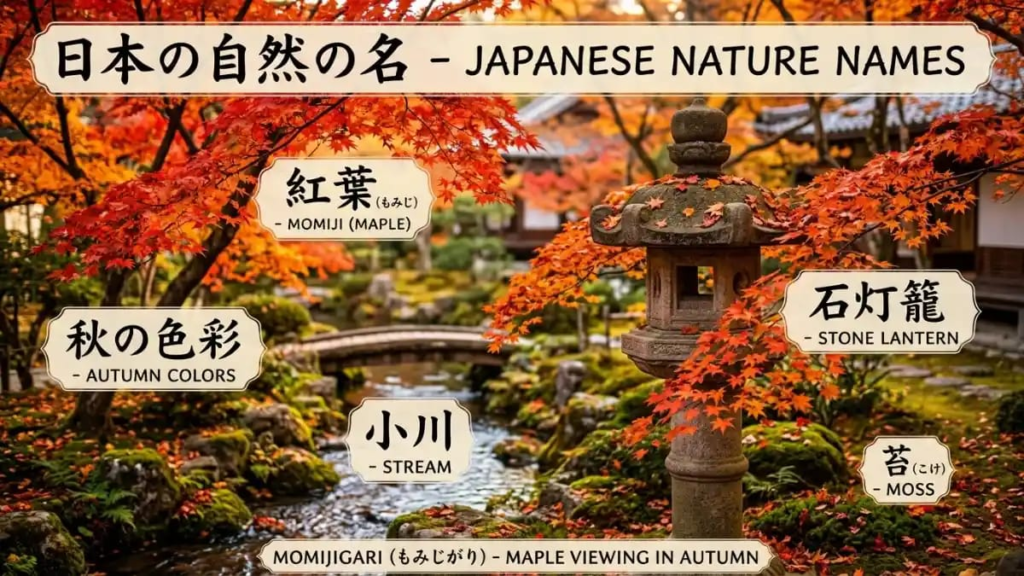
Nature is a huge theme. Seasons, water and the sky appear in many names because they are close to everyday life in Japan.
- Flowers and trees: Sakura (cherry blossom), Hana (flower), Kaede (maple), Matsu (pine), Ume (plum blossom), Momo (peach), Ayame (iris).
- Sky and light: Sora (sky), Asahi (morning sun), Akari (light), Hikari (light, shine), Tsuki (moon), Hoshi (star).
- Water and earth: Minato (harbour), Nagisa (shore), Umi (sea), Riku (land), Kawa (river), Yama (mountain).
- Seasons: Haru (spring), Natsuki (summer hope, varies), Akiko (autumn child), Fuyu (winter).
These names are easy to pronounce, easy to remember and work well in both Japanese and English.
Traditional Names With Deep Meaning
Some Japanese names carry virtues or historic tones. They sound older to Japanese ears, so use them with care if you want a contemporary feel.
- Hiroshi: generous, abundant
- Masaru: victory, excellence
- Noboru: to rise
- Isamu: courage
- Kiyoshi: pure, clean
- Michiko: beautiful wise child
- Setsuko: child of moderation (varies)
- Fumiko: child of beautiful writing (varies)
Common Japanese Surnames
Japan has a very large number of family names. Sato, Suzuki, Takahashi, Tanaka and Watanabe are usually listed among the most common, but exact rankings vary by survey and year. Many surnames describe places and nature.
| Surname | Common meaning |
| Tanaka | In the rice field |
| Yamamoto | Base of the mountain |
| Kobayashi | Small forest |
| Sato | Often linked to wisteria (varies) |
Treat these meanings as general, since kanji spellings differ.
How to Choose Japanese Names
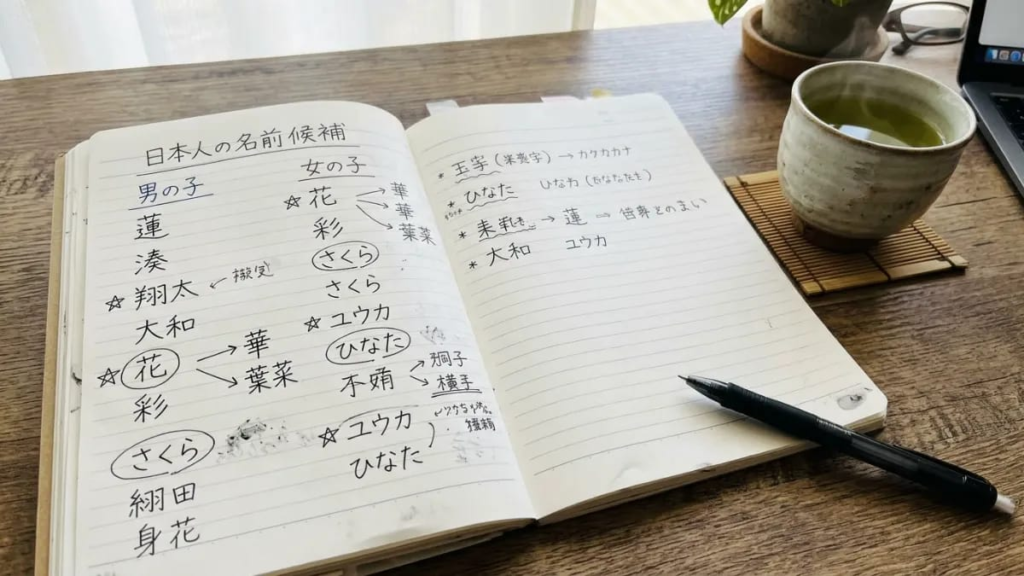
If you are naming a child, a few practical points help.
- Check the kanji, not just the sound. Two spellings of the same reading can give very different messages.
- Say it aloud. A name should be clear in both Japanese and your own language. Short names such as Ren, Mei, Sora and Hana travel well.
- Think about the family name. Read the full name together, since the given name flows into the surname.
- Avoid overly creative readings. Unusual readings can cause confusion in forms and registration.
- Ask a native speaker. Someone who reads Japanese can confirm meaning, tone and whether a name sounds old or new.
For families outside Japan, the main goal is usually a name that is meaningful, easy to say and respectful of its origin. Inside Japan, names are also registered using kanji from officially approved lists, so it is worth confirming that a chosen character is allowed.
Tips for Writers, Gamers and Anime Fans
If you need a name for a story, game or character, a few rules save you from embarrassing mistakes.
- Match the era. Names like Takeshi or Michiko suit older characters, while Haruto or Himari suit younger ones.
- Keep the family name first when writing in a Japanese setting.
- Do not mix kanji meanings at random. Decide what you want the name to say, then look for a real name that fits.
- Do not add honorifics as part of the name.
- Keep one style per character. A calm, thoughtful character might be Sora or Minato, while a fierce warrior may be Takeshi.
Common Mistakes to Avoid
- Assuming one meaning is final, when the kanji decides it.
- Flipping name order without telling the reader.
- Treating -san or -chan as part of the name.
- Using a typically female ending like -ko for a boy.
- Copying a name from anime without checking how it is actually written.
Final Thoughts
Japanese names are more than sounds. Each one joins a reading with written characters, and that is what gives it meaning. The best choice comes from knowing which kanji is used, how the name sounds with the family name and what feeling you want it to carry.
If you are picking a name for a baby, a character or a project, start from the meaning you like, then confirm the spelling with a reliable Japanese source.
FAQs
What are Japanese names?
Japanese names are the given and family names used in Japan. They are usually written in kanji, and the family name comes first.
What are the most popular Japanese names?
It changes every year. Names like Haruto, Minato and Ren for boys and Himari, Mio and Yui for girls have been popular in recent years, but check a current survey.
What is a beautiful Japanese name for a girl?
Sakura (cherry blossom), Hana (flower) and Akari (light) are popular choices with soft sounds and simple meanings.
What are strong names for boys from Japan?
Takeshi (warrior), Isamu (courage) and Akira (bright, clear) are commonly seen as strong choices.
Which names from Japan are unisex?
Haru, Yuki, Sora, Hinata and Akira are used for both boys and girls. The kanji and local habits often decide which fits.
Why can one name have different meanings?
Because one sound can be written with many kanji. Each kanji brings its own meaning, so the same name can be read in different ways.
What does -san or -chan mean after a name?
They are honorific suffixes, not part of the name. -san is polite and neutral, while -chan is affectionate.