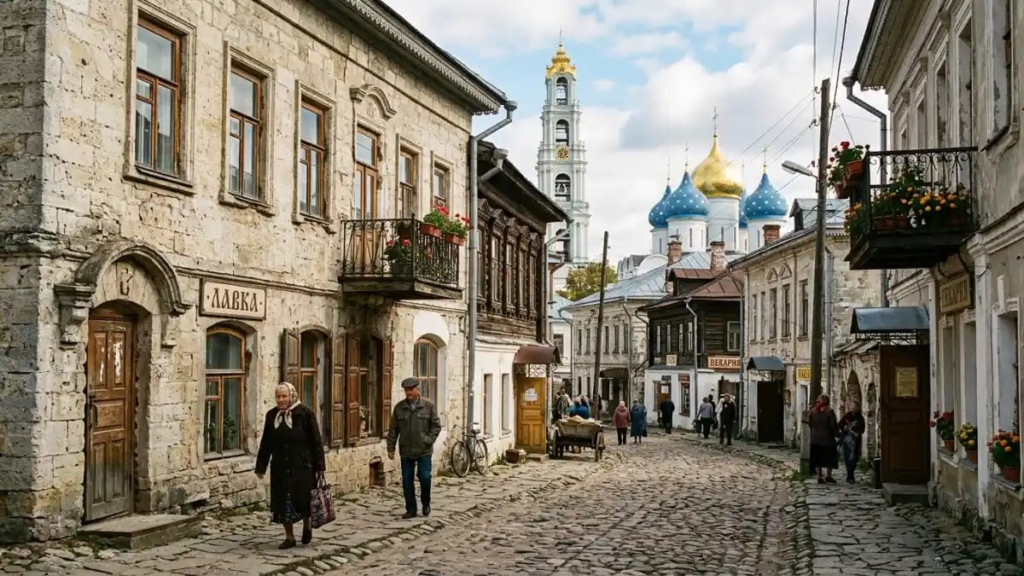

Finding Russian names is easy. Choosing one that fits the tone you want, classic, royal, modern, or rare, is harder. The most useful approach is to decide whether you want a name with deep historical roots or something more contemporary, then narrow down from there.
These Russian names are organized by style rather than a single alphabetical list, so you can compare options before committing to one. Whether you are naming a child, a character, or simply exploring Russian naming traditions, this guide is built to help you choose with confidence.
By the end, you will understand how history, meaning, and sound shape a strong Russian name, and you will have forty options sorted into clear categories.
How to Narrow Down Russian Names
Direct answer
Start with three decisions: whether you want a name tied to Russian history and royalty, a name built around a meaningful virtue, or something modern and currently trending in Russia. Those three factors narrow the wide field of Russian names into a shortlist that fits your purpose.
Many Russian names carry a built-in diminutive, or nickname, that is used constantly in everyday life. Aleksandr becomes Sasha, Mikhail becomes Misha, and Yekaterina becomes Katya, so it helps to decide whether you like the nickname a name will naturally produce.
It also helps to know that many Russian names have direct roots in Greek, Latin, or Hebrew names that arrived through Orthodox Christianity, which is why names like Anastasia, Ekaterina, and Mikhail will sound familiar even to non-Russian speakers.
Classic Russian Male Names
These names have remained in steady use in Russia for generations.
1. Ivan — Means God is gracious, the Russian form of John and one of the most enduring names in the country.
2. Alexander — Means defender of the people, famously carried by poet Aleksandr Pushkin.
3. Dmitry — Derived from Demeter, the Greek goddess of harvest and fertility.
4. Sergei — Traditionally means servant or protector, later carried by Russian nobility.
5. Nikolai — Means victory of the people, tied to Saint Nicholas.
Classic Russian Female Names
These names form the backbone of traditional Russian naming.
6. Anna — Means grace, a timeless classic that has stayed popular for centuries.
7. Elena — Derived from the Greek Helen, meaning shining light.
8. Maria — Means bitter or rebellious, closely associated with the Virgin Mary.
9. Ekaterina — Means pure, the Russian form of Catherine.
10. Olga — Means holy or blessed, sharing roots with the Scandinavian name Helga.
Modern and Trendy Russian Names
These names currently rank among the most chosen for newborns in Russia.
11. Maxim — Means greatest, from the Roman name Maximus, and one of the country’s most popular boys’ names.
12. Sofia — Rooted in the Greek word for wisdom, currently one of Russia’s top names for girls.
13. Artem — A fast-rising modern favorite among younger Russian parents.
14. Alisa — Means great happiness, a bright, modern pick.
15. Polina — A modern favorite tied to Apollinarian and, through it, to the sun god Apollo.
Royal and Historical Russian Names
These names carry ties to Russian royalty and major historical figures.
16. Vladimir — Means ruler of the world, tied closely to Russian leadership through history.
17. Tatiana — Derived from Tatius, an ancient Roman family name.
18. Anastasia — Means resurrection, with deep historical ties to Russian royalty.
19. Boris — Believed to mean short or wolf, depending on the source, carried by early Russian rulers.
20. Natalia — Means Christmas Day or birthday, referring to the birth of Christ.

Meaningful Word Names
These names are built directly from Russian words for virtues or qualities.
21. Svetlana — Derived from the Slavic word svet, meaning light or bright.
22. Vera — Means faith, one of a classic trio of Russian virtue names.
23. Nadezhda — Means hope, often shortened to Nadya.
24. Lyubov — Means love, completing the traditional faith, hope, and love naming set.
25. Lev — Means lion, famously carried by author Lev Tolstoy.
Rare and Unique Russian Names
These names are less common, even within Russia, and stand out for their distinct sound.
26. Zinov — The Russian form of the Greek name Zenobios, meaning life of Zeus.
27. Ardalion — A rare name possibly derived from a Greek word, with the unusual meaning of water pot.
28. Faddey — The Russian form of the biblical name Thaddeus, meaning heart.
29. Dariy — A rare form of the Old Persian name Darius, meaning possessing goodness.
30. Agasha — Derived from the Greek Agatha, meaning good
Names With Iconic Nicknames
These formal names are known almost as much for their nicknames as for the full version.
31. Mikhail — The Russian form of Michael, meaning who is like God, often shortened to Misha.
32. Alexei — Means defender, associated with nobility and strength, often shortened to Lyosha.
33. Zhanna — A Russian version of Jane, meaning God is gracious.
34. Fanya — A rarer alternative to Anya, carrying the dual meanings free man and from France.
35. Yevgeni — Commonly translated as well-born, from the Greek root eugenes, often shortened to Zhenya.
Image placeholder: Group of friends laughing together at a table
International and Borrowed Russian Names
These names entered Russian naming tradition from other languages and cultures.
36. Ruslan — Made famous as the hero of Pushkin’s epic poem Ruslan and Lyudmila.
37. Leyla — A name of Persian and Arabic origin meaning night, used across several countries including Russia.
38. Albert — A German-origin name commonly translated as noble and bright.
39. Karlin — A German-origin name meaning free man.
40. Sharlotta — The Russian answer to the French name Charlotte.
Quick Reference Table of Russian Names
| Category | Example Names |
| Classic Male | Ivan, Alexander, Nikolai |
| Classic Female | Anna, Elena, Olga |
| Modern and Trendy | Maxim, Sofia, Artem |
| Royal and Historical | Vladimir, Tatiana, Anastasia |
| Meaningful Word Names | Svetlana, Vera, Lev |
| Rare and Unique | Zinov, Ardalion, Faddey |
| Iconic Nicknames | Mikhail, Alexei, Zhanna |
| International and Borrowed | Ruslan, Leyla, Albert |
Common Mistakes When Choosing a Russian Name
One common mistake is ignoring the patronymic and surname structure entirely. Traditional Russian names come as a set, a first name, a patronymic based on the father’s first name, and a family surname, so a name chosen alone may feel incomplete in a formally Russian context.
Another mistake is assuming every Russian-sounding name is Slavic in origin. Many, including Ekaterina, Mikhail, and Anastasia, actually come from Greek, Latin, or Hebrew roots absorbed through Orthodox Christianity.
A third mistake is overlooking the nickname a formal name will produce. Names like Aleksandr and Yevgeni almost always shorten to Sasha and Zhenya in daily use, so it helps to like the shortened version as much as the full one.
How Russian Names Are Used Today
Modern Russian parents increasingly mix classic names like Maria or Alexander with fast-rising modern picks like Artem or Alisa, often within the same generation of a family. Understanding which category a name falls into, classic, royal, meaningful, or modern, can help clarify the tone a name will carry both in Russia and abroad.
Final Thoughts on Russian Names
A strong Russian name carries centuries of history, whether it comes from Orthodox Christianity, Slavic tradition, or Russia’s royal past. Whether you are drawn to a classic, a royal name, or something rare, each option on this list reflects a real thread of Russian culture rather than a name chosen for sound alone.
FAQs
What are the most popular Russian names right now?
Alexander and Sofia have both ranked as Russia’s top baby names in recent years.
What do most classic Russian names mean?
Many carry meanings tied to grace, light, victory, or faith, reflecting their Greek, Latin, or Slavic roots.
Why do Russian names have so many nicknames?
Diminutives are a core part of Russian naming culture, used affectionately in daily life even for adults.
What are rare or unique Russian names?
Zinov, Ardalion, and Faddey are all considered rare, even within Russia.
Are Russian names the same for boys and girls?
Mostly no, though a small number, such as Alek, function as gender-neutral options.